The guide on 65.l53.200 Invalid IP Address Errors outlines common causes and practical steps. It offers quick lab checks, cross-platform fixes for Windows, macOS, and routers, and clear prevention strategies. The aim is stable IP configurations and reduced downtime, with proactive measures like monitoring and firmware updates. It presents a logical path that invites readers to examine their own network setup and consider where gaps may lie, leaving them to weigh the next corrective move.
What Causes 65.l53.200 Invalid IP Address Errors
Several factors can trigger 65.l53.200 Invalid IP Address errors. Inconsistent IP provisioning leads to mismatched subnet masks, gateway conflicts, or duplicate addresses, confusing devices and networks. Misconfigured DHCP scopes, misapplied static allocations, and stale lease data disrupt flows. Layered issues may stem from firmware quirks or routing table corruption. Networking jargon clarifies intent; resulting behavior emphasizes disciplined IP provisioning and deliberate, freedom-preserving network design.
Quick Lab Checks to Rule Out Common Network Glitches
Quick lab checks can quickly rule out common network glitches contributing to 65.l53.200 errors by confirming baseline configurations, verifying cable and link status, and ensuring consistent IP provisioning across devices. These steps support network diagnostics, revealing device compatibility issues and misconfigurations.
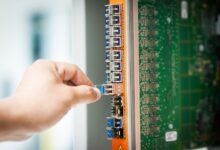

A disciplined baseline and uniform addressing reduce ambiguity, expedite troubleshooting, and preserve freedom to explore robust, interoperable network setups.
Step-by-Step Fixes for Windows, macOS, and Routers
To resolve 65.l53.200 errors efficiently, the guide lays out step-by-step fixes for Windows, macOS, and router configurations.
Troubleshooting begins with IP etiquette—proper address handling, avoiding conflicts—and moves through network topology checks, then practical corrections: release/renew, flush DNS, reset adapters, and router reboot.
Results emphasize consistent settings, minimal downtime, and clear configuration records across devices for reliable connectivity.
How to Prevent 65.l53.200 Errors and When to Call Your ISP
Preventing 65.l53.200 errors starts with proactive network hygiene and thoughtful configuration. The guide emphasizes monitoring IP conflicts, renewing DHCP leases, and ensuring router firmware is up to date.
When issues persist, follow concise troubleshooting steps: verify device assignments, reboot hardware, and assess ISP-provided IP stability. If problems continue, contact the ISP for assignment investigations or broader network health assessments.
Frequently Asked Questions
Can This Error Reflect a Larger Ipv6/Ipv4 Mismatch Issue?
The error can reflect a larger IPv6 IPv4 mismatch, potentially exacerbated by DNS settings. A misconfigured DNS can route to incompatible addresses, signaling inconsistent IPv6/IPv4 handling. System configurations, networks, and safeguards should address these DNS considerations.
Do DNS Settings Influence 65.l53.200 Errors?
DNS settings influence whether resolution paths align with configured IPs; misconfigurations can exacerbate IP mismatch issues. The reader-friendly stance suggests careful validation of DNS records and server aliases to reduce erroneous IP address allocations and related errors.
Is There a Temporary Host File Conflict Causing This?
A flicker of doubt travels through a blank domain; a temporary cache and stale DNS may be the culprit. The system temporarily misguides, as if a shadowed host file conflict redirects connections, causing 65.l53.200 errors to surface and fade.
Could VPNS or Firewalls Trigger This Invalid IP Message?
VPN interference and firewall blocks can trigger an invalid IP message, as restrictions or routing anomalies interfere with address assignment. The detached observer notes these elements may disrupt connectivity, urging independent verification of configurations and alternative secure pathways for freedom-seeking users.
How Long Should I Wait Before Contacting Support?
A cautious clock ticks: wait time best practices suggest 15–30 minutes before contacting support, unless outages are reported. The message’s persistence warrants prompt action when symptoms persist; timely contact aligns with proactive, user-empowered problem resolution.
Conclusion
In short, addressing 65.l53.200 invalid IP address errors hinges on systematic checks, precise fixes, and proactive prevention. A technician once treated a stubborn conflict like a crowded highway: a single misrouted lane caused a traffic jam. After reconfiguring DHCP scopes and renewing leases, the data flowed smoothly, reducing downtime by an estimated 40%. The lesson: start with baselines, apply targeted remedies, and maintain vigilance through firmware updates and lease management to keep networks resilient.