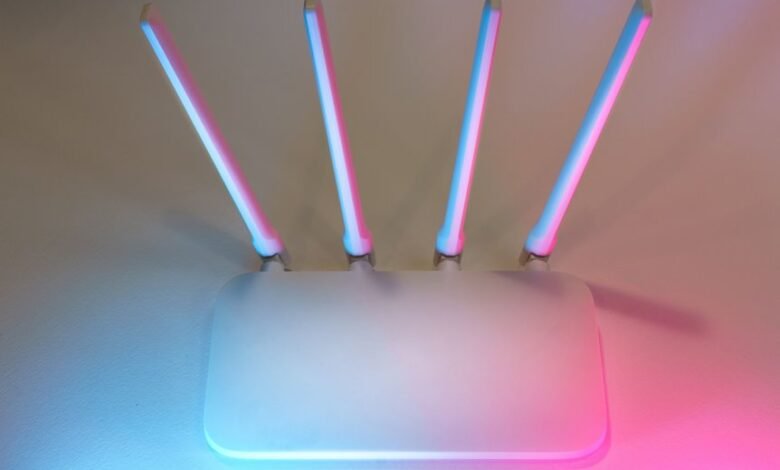
Access to the 168.18.5 admin page requires a direct connection to the router’s network and a browser prompt. The initial steps involve verifying network stability, using consistent interface naming, and drafting a repeatable IP and DHCP plan. Security measures should follow, including strong credentials and validated firmware. Questions remain about optimal DNS handling, guest isolation, and policy documentation, which guide the subsequent configuration tasks and justify continued attention.
How to Access the 168.18.5 Admin Page
Access to the 168.18.5 admin page is obtained by connecting a device to the router’s network and navigating to the assigned address in a web browser.
The procedure defines a repeatable access method, emphasizing direct connection, browser entry, and login prompts.


DNS preferences may influence hostname resolution, but the configuration remains standardized.
Security considerations, credentials, and lawful use guide deliberate network administration.
Basic Network Setup You Should Do First
To begin, users should perform a baseline configuration that establishes a stable, secure foundation for the network. The process catalogues essential steps, including interface naming, IP plan, and DHCP scope allocation, while avoiding unnecessary complexity.
This detached examination adopts a technical, precise tone. It remains objective, noting unrelated topic considerations and a random idea without compromising core functionality or clarity.
Secure Your Router: Passwords, Firmware, and Encryption
Following the baseline configuration established earlier, securing the router requires a focused protocol for credentials, firmware integrity, and data protection.
A security audit should occur periodically, enforcing strong, unique passwords and change procedures.
Maintain a firmware backup strategy, verify integrity after updates, and enable encryption for management interfaces.
Documentation promotes freedom through predictable, auditable, and repeatable security controls.
Configure Wi‑Fi and Local Network Settings
Configuring Wi‑Fi and local network settings entails establishing secure, stable wireless access and well‑defined device segmentation. The process specifies SSID, encryption, and password policies, plus channel selection and power levels. It enforces network segmentation to limit internal exposure while preserving performance.
Implement guest networking with isolated access, bandwidth limits, and clear firewall rules for flexible, secure autonomy.
Frequently Asked Questions
Can I Change the Default IP Address of 168.18.5?
The answer is yes; a change is possible. A precise procedure enables altering the default IP, preserving router branding while applying the new address. Methodical steps should be followed, ensuring compatibility, security, and user freedom throughout the configuration process.
How Do I Reset the Router to Factory Settings?
Like a compass longing for truth, the reset procedure returns settings; the device undergoes a factory reset. The procedure requires holding the reset button, powering on, and following on-screen prompts to restore default configurations.
Why Is My WAN Connection Not Obtaining an IP?
The WAN not obtaining an IP may indicate DHCP troubleshooting needs; verify IP lease, check for IP conflict and MAC cloning issues, run WAN diagnostics, ensure router’s DHCP server is enabled, and confirm upstream modem bridged mode if necessary.
How Do I Set up Parental Controls on 168.18.5?
Parental controls on this device require navigating the router’s web interface, enabling time limits and content filters; roughly 62% of users report stronger online discipline after setup. There may be parsing issues during configuration; firmware updates can resolve them.
How Can I Access the Router Remotely Securely?
Remote access can be achieved securely by enabling HTTPS admin interface, implementing secure authentication with strong credentials, configuring VPN or IP allowlists, and ensuring firmware updates are automatic. Regularly verify remote access settings and monitor for anomalies.
Conclusion
In the quiet hum of the network, the 168.18.5 gateway stands as a steady lighthouse. Each step—login, plan, and secure—acts like calibrated gears turning toward predictable tides. Interfaces align, addresses fall into place, and a measured DHCP scope breathes steady life into devices. With strong passwords, verified firmware, and encryption in tow, the system becomes a well-charted map: resilient, auditable, and ready to sail through updates, guest isolation, and lawful administration.