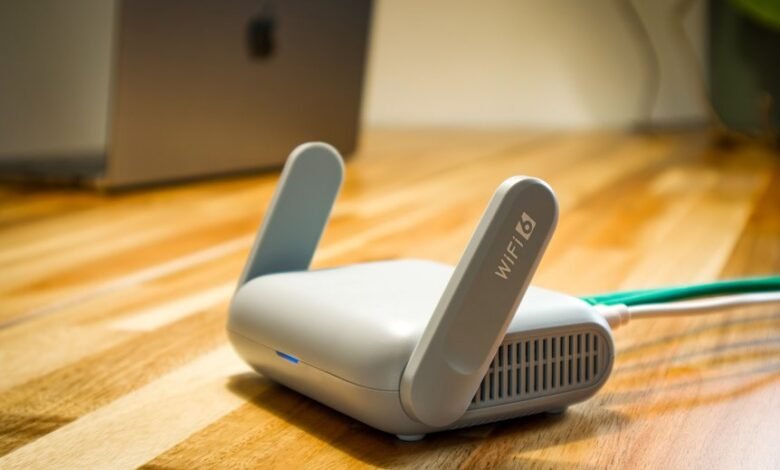
The 168.7.1 Router Admin Login and WiFi Setup Guide outlines safe access to the admin panel from trusted devices on a protected network. It emphasizes verified login events, auditable steps, and unique credentials. The guide covers disabling unnecessary remote administration, monitoring interface logs, and securing sensitive configuration details. It also prescribes strong, unique SSIDs and complex passwords, up-to-date firmware, and secure credential storage. Structured best practices balance control with performance, but the next steps will reveal critical setup specifics.
How to Access the 168.7.1 Admin Panel Safely
Access to the 168.7.1 admin panel should be performed from a trusted device on a secure network. The procedure prioritizes verified access panel phishing awareness and authenticated login events.
Maintain firmware updates timely to reduce vulnerability windows. Use unique credentials, disable remote administration, and monitor interface logs. Documented, repeatable steps ensure auditable control without exposing sensitive configuration details. Flexibility within secure constraints supports autonomy.


Secure Your WiFi: Create a Strong SSID and Password
Selecting a strong SSID and password is essential to preventing unauthorized access and ensuring network integrity. The guidance emphasizes unique, non-identifying SSIDs and complex, lengthy credentials with diverse character sets.
Maintain broadband privacy by avoiding default names and simple defaults.
Regularly update router firmware, disable WPS, and store credentials securely to sustain resilient access control and unintrusive, freedom-supportive connectivity.
Tweak Core Settings: Security, Channel, and Bandwidth for Coverage
Tuning the core router settings—specifically security, channel selection, and bandwidth parameters—directly impacts coverage quality and network reliability.
The approach remains methodical: tweak security settings to balance protection with performance, adjust channels to minimize interference, and calibrate bandwidth allocations for peak devices.
This detached assessment emphasizes control, flexibility, and purposeful configuration for users seeking freedom.
Quick Setup Windows: Connecting Devices and Testing Internet
The Quick Setup Windows focuses on establishing device connectivity and validating Internet access in a streamlined, stepwise manner. It outlines practical steps for linking clients, confirms physical and protocol readiness, and verifies basic services.
Idea one, discussion about setup basics, frames initial configuration.
Idea two, discussion about device compatibility, assesses supported standards and interoperability for reliable performance.
Frequently Asked Questions
What Is the Warranty Policy for the 168.7.1 Router?
The warranty policy specifies warranty coverage for the 168.7.1 router, detailing scope, duration, and exclusions; service eligibility requires proof of purchase and adherence to use terms. It outlines repair, replacement, or refund options.
How Do I Backup and Restore Router Settings?
A careful navigator charts a course through data seas; backup recovery and firmware rollback are essential. The routine: export configuration, store securely, verify integrity, then restore if needed; test after applying firmware snaps and document the process.
Can I Set up Multiple Guest Networks on 168.7.1?
The system supports Multiple Guest networks. Network Isolation can be configured between guest SSIDs, ensuring traffic separation. The design preserves user autonomy while maintaining security boundaries, allowing independent access policies and bandwidth controls for each guest network instance.
How to Update Firmware Manually From a PC?
The firmware can be updated manually from a PC via the router’s web interface or TFTP/HTTP methods. Update Methods are documented, ensuring Firmware Security through verified downloads, checksums, and signed images to prevent tampering and unintended configuration changes.
What Parental Controls Are Available and How to Configure?
Parental controls overview: the router provides time schedules, site filtering, and device access limits; configuration steps involve selecting the feature set, creating profiles, assigning devices, applying rules, and testing connectivity while preserving user autonomy and control.
Conclusion
In closing, the 168.7.1 guide stands as a lighthouse for secure, repeatable router management. Like a seasoned archivist, it documents credentials, logs, and firmware checks with auditable rigor. It alludes to vigilance—never granting remote access, always verifying events, and storing secrets securely. The path to reliable connectivity is paved by strong SSIDs, purposeful channels, and tested configurations, ensuring performance without compromising control. Continuous monitoring, disciplined updates, and deliberate steps safeguard the network’s integrity.